Cycling and strength training are a powerful combination, enhancing performance and overall fitness; exploring resources like a weight training for cyclists pdf can be invaluable․
Short, focused workouts significantly boost power output, while integrating weight training is crucial, especially as fitness levels advance, offering substantial health benefits․
Cycling promotes health, weight loss, and balance, but strength training unlocks even greater potential, making a pdf guide a smart starting point for cyclists․
Why Cyclists Need Strength Training
Cyclists often focus heavily on endurance, logging countless miles on the road or trail, but neglecting strength training is a significant oversight․ While cycling builds cardiovascular fitness and leg endurance, it doesn’t adequately develop the full spectrum of muscle groups crucial for optimal performance and injury prevention․
Strength training addresses these imbalances by building power in key areas like the quadriceps, hamstrings, and glutes – the primary drivers of the pedal stroke․ A weight training for cyclists pdf can illustrate targeted exercises․ This increased power translates directly to faster speeds and improved climbing ability․
Furthermore, a robust strength foundation enhances stability and control, reducing the risk of overuse injuries common in cycling; Strengthening the core is particularly vital, as it acts as the central link between the upper and lower body, improving power transfer and maintaining proper form․ Ignoring strength work leaves cyclists vulnerable and limits their potential․
Benefits Beyond the Bike
The advantages of strength training for cyclists extend far beyond improved performance on two wheels․ Building muscle mass boosts your metabolism, aiding in weight management and overall body composition․ This is particularly relevant as many seek weight loss through cycling combined with targeted workouts․
Strength training also enhances functional fitness, making everyday activities easier and reducing the risk of injuries in daily life․ Improved posture, balance, and coordination are all positive side effects․ A well-structured program, perhaps guided by a weight training for cyclists pdf, can address these areas․
Moreover, resistance training contributes to bone density, combating age-related decline and reducing the risk of osteoporosis․ It also positively impacts mental well-being, reducing stress and improving mood․ Essentially, incorporating strength work creates a more resilient, capable, and healthier individual, both on and off the bike․
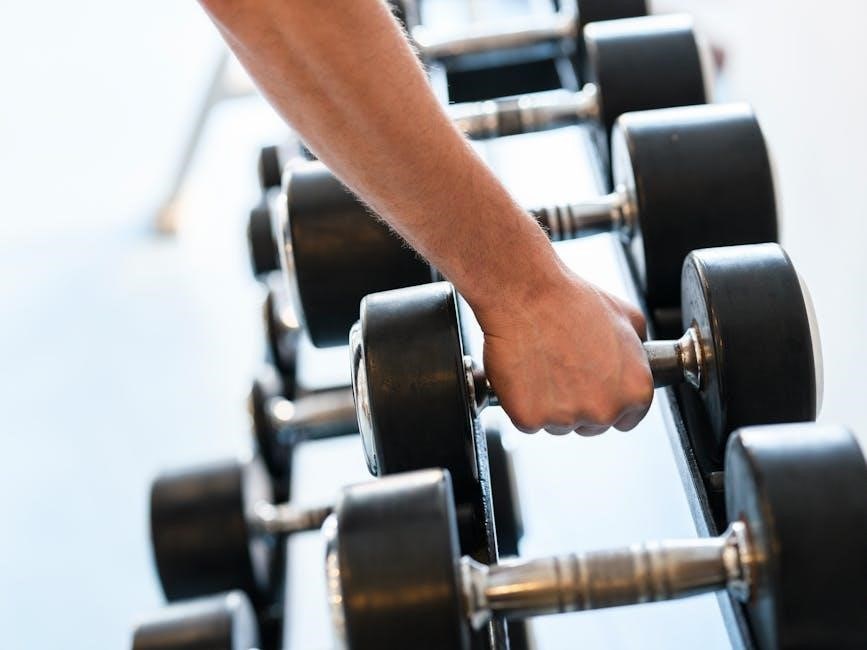
Key Muscle Groups for Cyclists
Targeting key muscle groups – quadriceps, hamstrings, glutes, and core – is vital for cycling; a weight training for cyclists pdf details effective exercises․
Optimizing these areas enhances power, stability, and endurance, translating to improved performance and reduced injury risk on every ride․
Quadriceps: The Engine of Your Pedal Stroke
The quadriceps are undeniably the primary drivers of the pedal stroke, responsible for the powerful extension of the knee that propels you forward․ A comprehensive weight training for cyclists pdf will emphasize exercises specifically designed to build strength and endurance in these crucial muscles․
Focusing on exercises like squats, lunges, and leg presses is paramount․ These movements not only build raw strength but also improve muscular endurance, allowing you to maintain power output over longer distances․ Variations, such as front squats or Bulgarian split squats, can further challenge the quadriceps and address muscle imbalances․
Remember, it’s not just about lifting heavy weight; proper form and controlled movements are essential to prevent injury and maximize effectiveness․ A well-structured pdf guide will illustrate correct technique and provide progressive overload strategies to continually challenge your muscles and unlock greater cycling performance․ Strengthening the quadriceps directly translates to increased power, speed, and efficiency on the bike․
Hamstrings: Balancing Power and Stability
Hamstrings often play a supporting role, but are vital for cyclists, providing the ‘pull’ phase of the pedal stroke and crucially, balancing the power generated by the quadriceps․ A detailed weight training for cyclists pdf should dedicate significant attention to hamstring development․
Exercises like Romanian deadlifts (RDLs), hamstring curls, and glute-ham raises are excellent choices․ RDLs, in particular, emphasize the eccentric strength of the hamstrings, which is critical for controlling the leg during the recovery phase of the pedal stroke; Strengthening these muscles prevents injury and improves overall cycling efficiency․
A good pdf will highlight the importance of a balanced approach, ensuring hamstring strength matches quadriceps strength to avoid muscle imbalances․ Neglecting the hamstrings can lead to knee pain and reduced power output․ Prioritizing hamstring work will enhance stability, power, and resilience on the bike, contributing to a more efficient and enjoyable ride․
Glutes: Power and Endurance
Gluteal muscles – the gluteus maximus, medius, and minimus – are fundamental to cycling power and endurance, acting as the primary drivers during the downstroke and contributing significantly to pelvic stability․ A comprehensive weight training for cyclists pdf will emphasize exercises targeting these crucial muscles․
Exercises such as hip thrusts, glute bridges, and various squat variations (back squats, front squats, Bulgarian split squats) are highly effective․ Hip thrusts, in particular, directly mimic the hip extension movement used in cycling, maximizing power transfer․ Strengthening the gluteus medius is also vital for preventing knee valgus and maintaining proper alignment․
A well-structured pdf will detail progressive overload strategies, gradually increasing resistance to continually challenge the glutes․ Developing strong glutes not only boosts power but also improves endurance, allowing cyclists to maintain a higher output for longer durations, ultimately enhancing performance and reducing fatigue․
Core: The Foundation of Cycling Performance
A strong core is absolutely essential for cyclists, acting as the crucial link between upper and lower body, and providing a stable platform for efficient power transfer․ A detailed weight training for cyclists pdf will prioritize core stability and strength exercises․
Exercises like planks (various variations – standard, side, with leg lifts), Russian twists, and dead bugs are foundational․ These exercises target the rectus abdominis, obliques, and transverse abdominis, all vital for maintaining posture and preventing energy leaks․ Furthermore, exercises that challenge anti-rotation, such as Pallof presses, are incredibly beneficial․
A comprehensive pdf will outline how core work improves bike handling, reduces lower back pain, and enhances overall efficiency․ Strengthening the core isn’t about building visible abs; it’s about creating a rigid torso that maximizes power output and minimizes wasted energy during long rides and intense efforts․
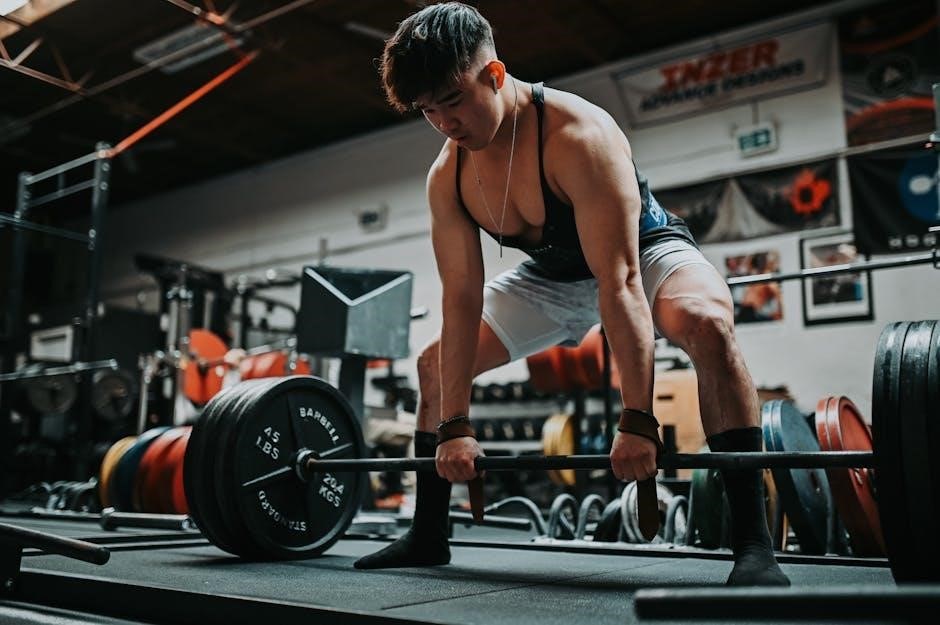
Designing a Weight Training Program
A weight training for cyclists pdf should guide program design, focusing on frequency, duration, and progressive overload for optimal gains and injury prevention․
Strategic planning, incorporating warm-ups and cool-downs, is vital for maximizing results and ensuring a safe, effective training experience for cyclists․
Frequency and Duration
Determining the ideal frequency and duration of weight training for cyclists requires careful consideration, often detailed within a comprehensive weight training for cyclists pdf guide․
Generally, two to three strength training sessions per week are sufficient to see noticeable improvements without compromising cycling performance; however, this can vary based on individual fitness levels and training goals․
Sessions should ideally be relatively short and focused, lasting between 30 to 60 minutes, prioritizing quality over quantity․ A pdf resource will often outline specific session structures․
Beginners should start with lower frequencies and durations, gradually increasing as their strength and endurance improve․ Overdoing it can lead to overtraining and hinder progress, so listen to your body․
Periodization, aligning weight training with the cycling season, is crucial; a pdf guide will explain how to adjust frequency and intensity throughout the year․
Rest and recovery are equally important, allowing muscles to repair and rebuild․
Warm-up and Cool-down
Prioritizing a proper warm-up and cool-down is essential for any weight training regimen, especially for cyclists, and is often thoroughly explained in a detailed weight training for cyclists pdf․
A warm-up should consist of 5-10 minutes of light cardiovascular activity, such as easy spinning on a bike or jogging, followed by dynamic stretching, focusing on the muscles to be worked․
Dynamic stretches include movements like leg swings, arm circles, and torso twists, preparing muscles for exertion and reducing the risk of injury․ A pdf guide will illustrate effective warm-up routines․
Cool-downs are equally important, helping to gradually lower heart rate and prevent muscle soreness․ Static stretching, holding each stretch for 20-30 seconds, is ideal․
Focus on stretching the quadriceps, hamstrings, glutes, and calves, key muscle groups for cyclists․ A pdf resource will provide specific cool-down stretches․
Neglecting these phases can increase the risk of injury and hinder recovery, impacting cycling performance․
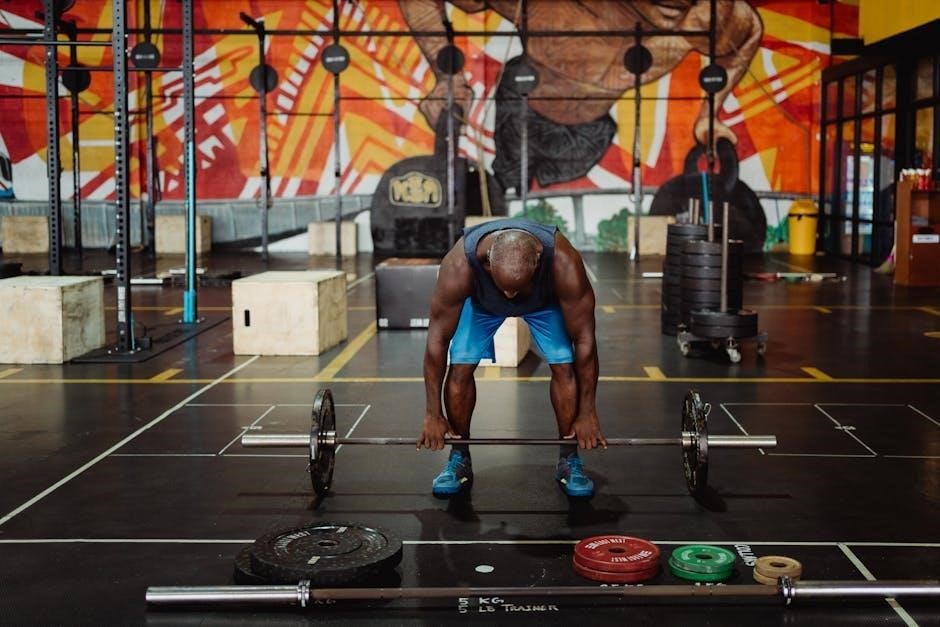
Essential Exercises for Cyclists
Key exercises like squats, lunges, and planks build strength; a weight training for cyclists pdf details proper form and progression for optimal results․
These movements enhance power, stability, and core strength, directly translating to improved cycling performance, as outlined in comprehensive training guides․
Consistent implementation of these exercises, guided by a pdf, will unlock significant gains for cyclists of all levels․
Squats: Building Lower Body Strength
Squats are foundational for cyclists, directly impacting pedal stroke power and endurance․ A comprehensive weight training for cyclists pdf will illustrate proper squat technique, emphasizing a full range of motion and controlled descent․
Beginners should start with bodyweight squats, focusing on form before adding resistance․ Progress to goblet squats, holding a dumbbell or kettlebell, then barbell back squats as strength increases․ The pdf should detail variations like front squats, targeting quads more directly․
Proper form involves maintaining a straight back, engaging the core, and keeping knees tracking over toes․ A pdf guide will often include visual aids and cues to ensure correct execution․ Incorporating squats 2-3 times per week, with 3-4 sets of 8-12 repetitions, will yield significant lower body strength gains․ Remember to consult a pdf or coach for personalized guidance․
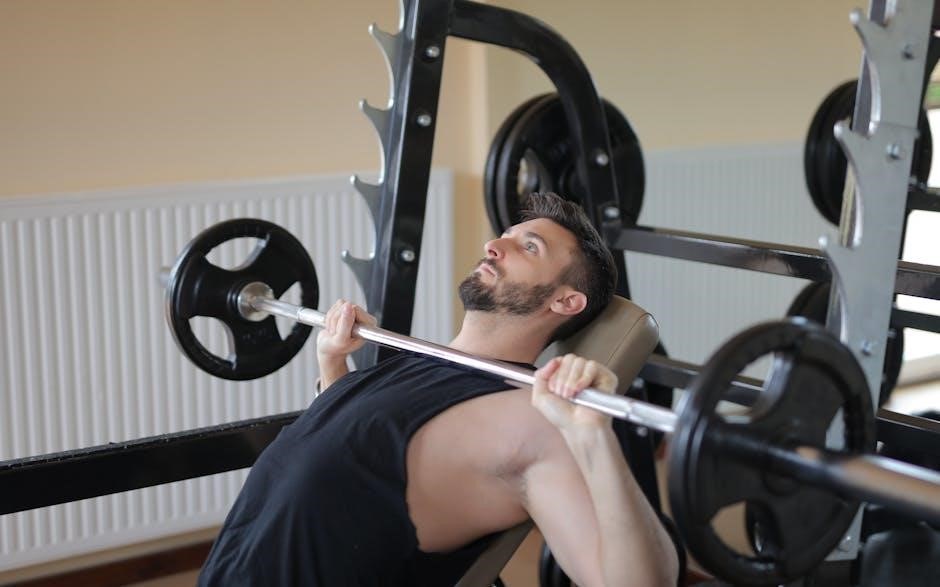
Focus on controlled movements, prioritizing quality over quantity, to maximize benefits and minimize injury risk․
Lunges: Improving Leg Strength and Balance
Lunges are crucial for cyclists, developing unilateral leg strength – strength in each leg independently – which directly translates to more efficient pedaling․ A detailed weight training for cyclists pdf will showcase various lunge progressions, starting with static lunges to master balance and form․
Progress to walking lunges, increasing the challenge and mimicking the cycling motion․ Add dumbbells or a barbell for increased resistance, as outlined in a good pdf resource․ Reverse lunges are another excellent variation, emphasizing glute activation․
Proper form requires maintaining a 90-degree angle in both knees during the lunge, keeping the front knee over the ankle, and engaging the core for stability․ A pdf guide should illustrate common mistakes to avoid․ Incorporate lunges 2-3 times weekly, performing 3 sets of 10-12 repetitions per leg․
Focus on controlled movements and maintaining balance throughout the exercise․
Deadlifts: Full Body Power Development
Deadlifts are a foundational exercise for cyclists, building full-body power, particularly in the posterior chain – hamstrings, glutes, and lower back – essential for powerful pedaling․ A comprehensive weight training for cyclists pdf will detail proper deadlift technique, emphasizing safety and form․
Begin with Romanian Deadlifts (RDLs) to develop hamstring flexibility and strength before progressing to conventional deadlifts․ Start with lighter weights, focusing on maintaining a straight back and engaging the core․ A pdf resource should illustrate correct spinal alignment․
Proper form involves hinging at the hips, keeping the back straight, and lifting the weight by driving through the heels․ Avoid rounding the back, which can lead to injury․ Incorporate deadlifts once or twice a week, performing 3 sets of 5-8 repetitions․
Consult a pdf guide or coach to ensure correct technique and prevent injury․
Calf Raises: Ankle Stability and Power
Calf raises are often overlooked, yet crucial for cyclists, enhancing ankle stability and contributing to a more efficient pedal stroke․ A detailed weight training for cyclists pdf should highlight the importance of strong calves for power transfer and injury prevention․
Perform both seated and standing calf raises to target both the gastrocnemius and soleus muscles․ Standing calf raises work the gastrocnemius, while seated calf raises isolate the soleus․ A pdf resource will demonstrate proper execution of each variation․
Focus on a full range of motion, lowering your heels below the level of the platform and fully extending at the top․ Use a controlled tempo, avoiding bouncing․ Incorporate 3 sets of 15-20 repetitions․
Progress by adding weight using dumbbells or a calf raise machine․ A pdf guide can offer progression strategies․ Strong calves improve power and reduce the risk of Achilles tendon issues․
Plank: Core Stabilization
The plank is a foundational exercise for core stabilization, vital for cyclists to maintain proper form and efficiently transfer power to the pedals․ A comprehensive weight training for cyclists pdf will emphasize the plank’s role in preventing lower back pain and improving overall cycling performance․
Begin in a push-up position, but rest on your forearms instead of your hands․ Maintain a straight line from head to heels, engaging your core, glutes, and legs․ Avoid letting your hips sag or rise; A pdf resource should illustrate correct form․
Hold the plank for 30-60 seconds, focusing on maintaining a tight core․ Repeat for 3 sets․ Progress by increasing the hold time or adding variations like side planks․
Consistent plank practice builds endurance in the core muscles, crucial for long rides․ A pdf guide can provide modifications for different fitness levels, ensuring proper technique and maximizing benefits․

Russian Twists: Rotational Core Strength
Russian twists are excellent for developing rotational core strength, a frequently overlooked component of cycling fitness․ A detailed weight training for cyclists pdf should highlight how this exercise mimics the twisting motion involved in powerful pedaling and maintaining bike control․
Start seated with knees bent and feet slightly elevated, leaning back slightly to engage your core․ Hold a weight (dumbbell, medicine ball, or even just your hands clasped together)․
Twist your torso from side to side, bringing the weight towards each hip․ Maintain a straight back and controlled movements․ A pdf resource will demonstrate proper technique to avoid strain․
Perform 3 sets of 15-20 repetitions per side․ Increase the weight or add resistance bands for a greater challenge․ A pdf guide can offer progressions and regressions based on individual fitness levels, ensuring safe and effective training․
Integrating Weight Training with Cycling
Strategic integration, guided by a weight training for cyclists pdf, is key; periodization aligns strength work with cycling phases, preventing overtraining and maximizing gains․
Periodization: Aligning Training with Cycling Season
Effective integration of weight training demands a periodized approach, mirroring the demands of the cycling season – a detailed weight training for cyclists pdf can illustrate this perfectly․
Base training, during the off-season, focuses on building foundational strength with higher volume and lower intensity, preparing muscles for the rigors ahead․ As the season approaches, transition to a build phase, increasing intensity and decreasing volume to translate strength into power․
Race season requires maintenance; reduce weight training volume further to prioritize recovery and cycling-specific efforts, preventing fatigue․ A pdf guide will often outline specific exercise selections and rep ranges for each phase․
Transition periods, post-season, allow for active recovery and address muscle imbalances, preventing injury and setting the stage for the next training cycle․ Careful planning, informed by resources like a comprehensive pdf, is paramount for optimal results․
Avoiding Overtraining
Overtraining is a significant risk for cyclists adding weight training; a well-structured weight training for cyclists pdf emphasizes recovery and sensible progression․
Monitor fatigue levels closely – persistent soreness, decreased performance, and sleep disturbances are red flags․ Prioritize adequate rest and nutrition to support muscle recovery and prevent burnout․ A pdf resource should detail appropriate rest days and recovery strategies․
Gradual increases in training load are crucial; avoid sudden jumps in weight, volume, or frequency․ Listen to your body and adjust the program accordingly․ Utilize deload weeks – periods of reduced intensity – to allow for full recovery․
Proper nutrition, especially protein intake, is vital for muscle repair․ A pdf guide will often include dietary recommendations․ Ignoring these principles can lead to injury, illness, and diminished performance, negating the benefits of training․

Nutrition for Cyclists and Weight Training
Fueling both rides and workouts requires a strategic approach; a weight training for cyclists pdf should detail optimal protein and carbohydrate intake for recovery․
Prioritize adequate nutrition to support muscle recovery and energy levels, maximizing the benefits of your combined training regimen․
Protein Intake for Muscle Recovery
Protein is absolutely fundamental for cyclists engaging in weight training, playing a critical role in muscle repair and growth after strenuous activity․ A comprehensive weight training for cyclists pdf will outline specific protein recommendations tailored to the demands of both disciplines․
Generally, cyclists should aim for a daily intake of 1․2 to 1․7 grams of protein per kilogram of body weight; This range supports muscle protein synthesis, crucial for adapting to the stresses of training․ Timing is also key; consuming protein within 30-60 minutes post-workout maximizes recovery benefits․
Excellent protein sources include lean meats, poultry, fish, eggs, dairy, and plant-based options like beans, lentils, and tofu․ A pdf guide can provide meal planning ideas to ensure adequate intake throughout the day, not just immediately after exercise․ Prioritizing protein supports not only muscle recovery but also overall performance enhancement․
Carbohydrates for Fueling Rides and Workouts
Carbohydrates are the primary fuel source for cyclists, and their intake needs careful consideration when combined with weight training․ A detailed weight training for cyclists pdf will emphasize the importance of carbohydrate timing and quantity to support both endurance and strength gains․
Cyclists should consume 5-7 grams of carbohydrates per kilogram of body weight daily, adjusting based on training intensity and duration․ Prioritize complex carbohydrates like whole grains, fruits, and vegetables for sustained energy release․ Simple carbohydrates can be strategically used before or during rides for a quick energy boost․
Replenishing glycogen stores after workouts is vital․ Consuming carbohydrates alongside protein post-exercise accelerates recovery and prepares the body for the next session․ A pdf resource can offer practical guidance on carbohydrate loading strategies for races or particularly demanding training blocks, optimizing performance and preventing fatigue․

Resources and Further Learning
Explore a weight training for cyclists pdf for detailed guidance, and consider consulting a qualified strength and conditioning coach for personalized plans․
Online resources and PDF guides offer valuable insights, helping cyclists optimize their strength training and enhance overall performance on the bike․
Recommended PDF Guides and Online Resources
Numerous digital resources cater specifically to cyclists seeking to integrate strength training into their routines․ A comprehensive “weight training for cyclists pdf” guide is an excellent starting point, often detailing tailored programs for various cycling disciplines – road, mountain biking, or track․
Websites like TrainingPeaks and Cycling Weekly frequently publish articles and training plans incorporating strength work․ Look for resources from certified strength and conditioning specialists with experience working with endurance athletes․ Many coaches offer downloadable programs or online courses focusing on cyclist-specific strength training․
Consider exploring platforms like YouTube for instructional videos demonstrating proper exercise technique․ Channels dedicated to cycling training often feature strength training content․ Remember to prioritize form over weight to prevent injuries․ Always cross-reference information from multiple sources to ensure accuracy and suitability for your individual needs and fitness level․ Utilizing these resources empowers cyclists to build a robust and effective strength training regimen․
Finding a Qualified Strength and Conditioning Coach
While a “weight training for cyclists pdf” can provide a solid foundation, personalized guidance from a qualified strength and conditioning coach is invaluable․ Seek professionals certified by reputable organizations like the NSCA (National Strength and Conditioning Association) or ACSM (American College of Sports Medicine)․
Look for coaches with specific experience working with endurance athletes, particularly cyclists․ They’ll understand the unique physiological demands of the sport and tailor a program accordingly․ Inquire about their approach to periodization, ensuring it aligns with your cycling season and goals․ A good coach will assess your movement patterns and address any imbalances․
Don’t hesitate to ask for references or testimonials from other cyclists they’ve coached․ Consider online coaching options for flexibility and accessibility․ A skilled coach will not only design your program but also provide ongoing support, motivation, and technique correction, maximizing your results and minimizing injury risk․