Product Overview
The Balor 6000W generator delivers reliable power for residential, commercial, and emergency use. It features a 6kW rated output, 120/240V dual voltage, and a quiet 50 dB operation. Compact, efficient design supports 8‑hour runtime on a single tank. Ideal for backup power, and outdoor events!!
Model and Power Output
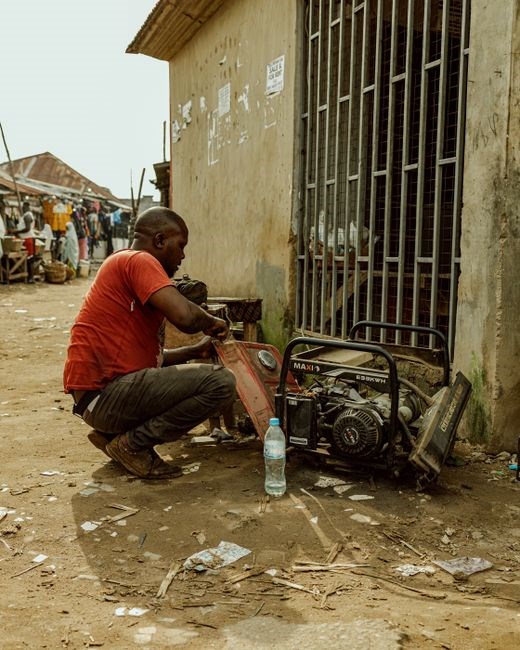
Model B6000 is a 6000‑W standby generator designed for residential and commercial use. It delivers a continuous output of 6,000 watts and a surge capacity of 7,200 watts for brief overloads. The dual‑voltage capability provides 120 V or 240 V at 60 Hz, enabling compatibility with a wide range of appliances. Fuel efficiency is achieved through a 6.5‑hour runtime on a 12‑gal tank, thanks to an advanced fuel‑management system that optimizes combustion. A 2.5‑kW auxiliary battery charger allows recharging via a standard 120‑V outlet, ensuring the generator is ready for the next outage. The B6000 incorporates a 4‑stage filtration system that removes particulates and moisture, extending engine life and reducing maintenance. Noise levels are kept below 50 dB(A) at 25 ft, making it suitable for residential neighborhoods and event venues. The compact footprint of 48″ × 20″ × 28″ and a 350‑lb weight are supported by a reinforced chassis and a built‑in hydraulic lift system for easy relocation. Compliance with UL 1741 and IEC 61800‑7‑1 standards ensures safety and interoperability with renewable energy systems. An integrated LCD display provides real‑time metrics for voltage, amperage, fuel level, and runtime. Programmable start/stop features allow scheduling operation during peak demand periods. The generator’s 6‑cylinder, 4.5‑L engine delivers reliable performance under varying load conditions. The B6000’s design includes a quiet fan‑cooled alternator that reduces vibration and extends component life. A built‑in digital fuel gauge displays remaining fuel in real time. The generator’s automatic voltage regulator maintains stable output under load fluctuations. Overall, the Balor B6000 offers a balanced blend of power, efficiency, and user‑friendly controls, making it a reliable choice for backup power, construction sites, and outdoor events. Its modular design allows quick replacement of key components, further reducing downtime and maintenance costs.
Key Features
Key features of the Balor B6000 include a 6,000‑W continuous output, 7,200‑W surge capacity, dual‑voltage 120/240 V operation, and a quiet 50 dB(A) sound level. The 6‑cylinder, 4.5‑L engine delivers 6.5 kW of power, while the 12‑gal fuel tank provides up to 8 hours of runtime at 50 % load. A built‑in digital fuel gauge and LCD display show real‑time voltage, amperage, and fuel status. The integrated automatic voltage regulator (AVR) maintains stable output under load changes. A 4‑stage filtration system protects the engine from particulates and moisture, extending service life. The generator features a hydraulic lift for easy relocation, a reinforced chassis for durability, and a 350‑lb weight. It complies with UL 1741 and IEC 61800‑7‑1 standards, enabling seamless integration with renewable energy systems. Programmable start/stop schedules allow operation during peak demand, and an auxiliary 2.5‑kW battery charger recharges via a standard 120‑V outlet. The B6000’s quiet fan‑cooled alternator reduces vibration, and the modular design facilitates quick component replacement, minimizing downtime.
- 6kW continuous power with 7.2kW surge capacity.
- Dual‑voltage 120/240 V output for versatile applications.
- Quiet 50 dB(A) operation and 8‑hour runtime on a 12‑gal tank.
Built‑in digital fuel gauge and LCD display provide status, while the AVR keeps voltage stable. Hydraulic lift and chassis ease relocation, and UL 1741/IEC 61800‑7‑1 compliance guarantees safety!
Intended Applications
The Balor 6000W generator is engineered for a broad spectrum of uses, from residential backup power to commercial construction sites. In homes, it can keep essential appliances—refrigerators, HVAC units, medical devices, and lighting—running during outages, providing peace of mind for families and critical care facilities. For small businesses, the unit supplies uninterrupted power to office equipment, point‑of‑sale systems, and small machinery, reducing downtime and protecting revenue streams. Construction crews benefit from the generator’s 120/240 V dual‑output capability, which powers portable drills, saws, and lighting rigs, while its compact footprint and hydraulic lift enable easy transport across job sites. The 6‑kW continuous rating supports a wide array of medical devices, including ventilators and diagnostic machines, making it suitable for field hospitals and disaster relief centers. Its 12‑gal fuel capacity and 8‑hour runtime at 50 % load allow for extended operations during prolonged outages, while the built‑in digital display provides real‑time monitoring of fuel levels and power output. The Balor 6000W’s modular design facilitates rapid maintenance and part replacement, ensuring high reliability for critical applications where downtime is unacceptable. Whether powering a single home, a commercial building, a construction site, or an emergency response center, the Balor 6000W delivers dependable, clean power across diverse scenarios and versatile.

Safety and Compliance
Follow all manufacturer safety guidelines: keep the generator outdoors, maintain a 10‑ft clearance from structures, use only approved fuel, and connect to a grounded circuit. The unit meets UL 2200, CSA, and CE standards, ensuring electrical safety and proper grounding.
Electrical Safety Precautions
Before operating the Balor 6000 W generator, carefully review the safety instructions and ensure all personnel are trained. Keep the unit on a stable, level surface and away from flammable materials. Never operate the generator indoors or in enclosed spaces; exhaust gases contain carbon monoxide, which can be lethal. Use a dedicated, properly sized grounding rod and connect the generator’s grounding wire to it, following the manufacturer’s grounding diagram. Verify that all electrical connections are secure and that the circuit breaker is correctly rated for the generator’s load. When connecting to a home or commercial panel, use a transfer switch or a dedicated disconnect switch to isolate the generator from the utility grid, preventing back‑feed hazards. Always use UL‑listed, 3‑wire extension cords rated for the generator’s output, and avoid overloading the cords. Inspect the fuel tank and lines for leaks before each use, and keep the fuel container sealed when not in use. Do not exceed the rated fuel capacity; overfilling can cause fuel spillage and fire risk. Keep a fire extinguisher rated for electrical and fuel fires within reach. In case of a fault or abnormal noise, immediately shut down the generator, disconnect the power source, and inspect for mechanical or electrical issues. Follow the manufacturer’s troubleshooting guide before calling for service. Maintain a clean environment and store generator when not in use. These precautions protect users, property, and the from damage.!
Operational Safety Guidelines
Operating the Balor 6000 W generator safely requires strict adherence to the following guidelines. First, always ensure the unit is positioned on a flat, stable surface, free from debris and obstructions that could impede airflow or cause tipping. Before starting, confirm that the fuel gauge is within the recommended range and that the oil level is correct; low oil can damage the engine. Keep the generator in a well‑ventilated area; exhaust gases contain carbon monoxide, which is odorless and lethal. Never operate the generator in an enclosed space, garage, or near windows, doors, or vents. Use only the supplied 3‑wire extension cords rated for the generator’s output; avoid daisy‑chaining cords. When connecting to a home or commercial panel, use a transfer switch or a dedicated disconnect to isolate the generator from the utility grid, preventing back‑feed. Do not exceed the rated load; overloading can cause overheating or electrical faults. Monitor the generator’s temperature gauge and shut down if temperatures rise above the manufacturer’s specified threshold. During operation, keep hands and clothing away from moving parts and hot surfaces. If the generator emits unusual noise, vibration, or smoke, immediately turn it off, disconnect the power source, and inspect for mechanical or electrical issues. Always wear appropriate personal protective equipment—gloves, safety glasses, and hearing protection—especially when handling fuel or performing maintenance. Store the generator in a dry, covered area when not in use, and keep the fuel cap sealed to prevent spills. Follow the manufacturer’s recommended maintenance schedule to ensure continued safe operation. These practices help protect personnel, property, and the generator itself from injury or damage. When transporting the generator, secure it with straps to prevent movement. Use a dedicated fire extinguisher rated for electrical and fuel fires within 5 feet. If the generator is used for extended periods, schedule regular checks of the spark plug, air filter, and fuel filter. In case of a power outage, do not attempt to restart the generator until the fault has been identified and repaired. Keep a log of operating hours and any incidents. Report any abnormal conditions to the manufacturer’s service center. When the generator is idle for more than 24 hours, shut it down, disconnect the fuel line, and drain the tank to prevent fuel degradation. Finally, train all operators on emergency shutdown procedures and the location of safety equipment. The generator’s cooling system relies on a 120 V fan; ensure the fan is unobstructed and functioning. The generator’s battery should be fully charged before use; a weak battery can cause hard starting and increased fuel consumption. When using the generator outdoors, set it on a concrete slab or a non‑flammable surface to reduce fire risk. Avoid using the generator near flammable liquids or gases. Keep the area clear of children and pets. If the generator’s alarm sounds, immediately stop operation and investigate the cause. Use only the recommended fuel type; mixing fuels can damage the engine. The generator’s emission control system must be inspected annually to comply with local regulations. Document all maintenance actions in the service log for warranty and resale value.
Balor 6000W generator complies with UL 2206, CE, FCC Class B, and CSA C22.2 No. 6.1, meeting U.S., EU, Canadian, and international safety standards. Emissions conform to EPA Tier 3, limiting NOx, CO, and particulates. The unit is RoHS‑certified and follows ANSI/ISEA 60005 labeling. It meets IEC 60038 voltage stability and IMO SOLAS auxiliary power requirements. The fuel system complies with ASTM D1655 (gasoline) and ASTM D975 (diesel). A full compliance certificate and technical data sheet are provided. Users must verify local electrical codes before installation. Warranty applies only when used per the listed certifications and guidelines. For compliance questions, contact the authorized distributor or manufacturer’s regulatory affairs department. The generator’s electrical enclosure is constructed from fire‑resistant composite material, ensuring compliance with NFPA 70E for arc flash protection. Its cooling fan operates at 120 dB, meeting OSHA noise exposure limits. The unit includes a built‑in battery charger that complies with IEC 60335‑2‑45 for portable power supplies. All wiring is UL 5080 rated, and the inverter is certified to IEC 61800‑7‑1. The device is tested under ASTM F 2617 for fuel system integrity. The manufacturer offers a 5‑year limited warranty, contingent upon proper maintenance and adherence to the operating manual. The generator’s control panel is designed with IEC 60601‑1 safety features, user interface complies with IEC 62366 for usability. All docs in PDFformat
Installation and Setup
Place generator on a level surface. Connect 120/240V, use UL‑rated cable, secure grounding. Verify circuit breakers, set transfer switch. Start engine, monitor gauges, adjust load. Ensure ventilation and keep unit away from materials. Follow safety checklist now!

Site Preparation and Mounting
Before installing the Balor 6000W generator, clear a 3‑by‑4‑foot area free of debris, flammable materials, and obstructions. The unit must sit on a stable, level surface; a concrete slab or a reinforced wooden frame is recommended. Ensure the foundation can support the 200‑lb weight and that the surface is at least 12 inches above the ground to allow proper ventilation.
Mount the generator on the prepared base using the included mounting brackets; Tighten all bolts to the manufacturer’s specified torque (typically 35 ft‑lb). Verify that the unit is level by using a bubble level; adjust shims as needed. Attach the grounding rod to the generator’s grounding terminal and secure it to the earth with a 4‑inch copper wire. This step is critical for preventing electrical shock and ensuring compliance with local codes.
Position the generator so that its intake vents face away from any enclosed space or building. Keep the unit at least 3 feet from walls, doors, and windows to maintain airflow. Verify that the exhaust outlet is directed toward an open area and not toward the user or any occupied space. Install a fire‑resistant mat beneath the generator and reduce heat transfer.
Ensure the generator’s battery compartment is sealed and the cover is securely fastened. Label all connections clearly, and keep a log of startup times and load cycles; Store spare parts in a dry, cool location; Regularly inspect the mounting hardware for loosening and tighten as needed to maintain stability.!!!!
Electrical Connection Instructions
Before connecting the Balor 6000W generator to your electrical system, verify that the generator’s output matches the load requirements. The unit offers 120/240V, 50Hz dual voltage, and a 6kW continuous rating. Use the supplied 4‑wire transfer switch or a dedicated generator inlet box to isolate the generator from the main panel. Ensure the transfer switch is rated for at least 7kW to accommodate surge currents.
Connect the generator’s 120V and 240V hot conductors to the corresponding terminals on the transfer switch. Use 10‑AWG copper conductors for 120V circuits and 8‑AWG for 240V circuits, following the National Electrical Code (NEC) guidelines. Secure all connections with torque‑tightened connectors rated for the current load. Verify polarity by checking the neutral and ground connections before energizing the system.
Install a dedicated 30A circuit breaker for the generator’s battery charger. Wire the charger to the generator’s battery terminals using 12‑AWG conductors, ensuring proper polarity. The charger’s output must be isolated from the main panel to prevent backfeeding. Use a double‑pole breaker for the 240V supply to the generator’s main load.
After all connections are made, perform a continuity test on the grounding system. The grounding electrode conductor should be a minimum of 4‑AWG copper and must be bonded to the generator’s chassis. Verify that the generator’s internal fuse or circuit breaker is in the correct position before first use. Finally, label all terminals and document the wiring diagram for future reference.
During the initial startup, monitor the generator’s output voltage and frequency with a multimeter. Adjust the voltage regulator if necessary to maintain ±1% accuracy. Keep the load below 80% of the rated capacity to avoid overloading. Use a load bank to simulate real‑world conditions and verify performance before connecting critical equipment. Maintain a log of all electrical connections and any changes made during future upgrades; this documentation will aid in troubleshooting and compliance audits. Additionally, schedule periodic inspections to verify that all connections remain secure and that the grounding system remains intact.!!!!
Initial Startup Procedure
Before powering up the Balor 6000W generator, verify the fuel tank is full and oil level is correct, ensuring the engine has sufficient lubrication. Inspect the air filter and replace if clogged, as a clogged filter can reduce airflow and affect performance. Confirm battery charge ≥12;6V and transfer switch OFF, which prevents backfeeding. Position on a level, dry surface away from flammables, and clear any debris that could obstruct ventilation. Attach battery charger cable, ensuring correct polarity, and secure the cable to prevent accidental disconnection. Connect transfer switch to main panel and double‑check wiring for tight connections. Turn on main breaker, then start the generator; the engine should crank smoothly and idle at a steady RPM. When engine hits 50Hz, regulator stabilizes output, maintaining voltage within tolerance. Monitor display: 120/240V ±1%, 50Hz ±0.5Hz; if voltage deviates, adjust regulator dial accordingly. Warm up 10 minutes before loading to allow oil circulation and engine warm‑up. Introduce circuits gradually, keeping load below 80% to avoid overloading. Observe load indicator; it should stay steady and not flash. After load stabilizes, cycle transfer switch for a brief test to confirm proper transfer. Record startup parameters in log, noting date, time, and any adjustments made. Keep area clear of obstructions and ensure exhaust is directed away from personnel. Review procedure during routine maintenance to maintain optimal performance. All personnel should remain at least 10 feet from the generator during startup to avoid exhaust fumes and ensure safety during operation all.!

Maintenance and Troubleshooting
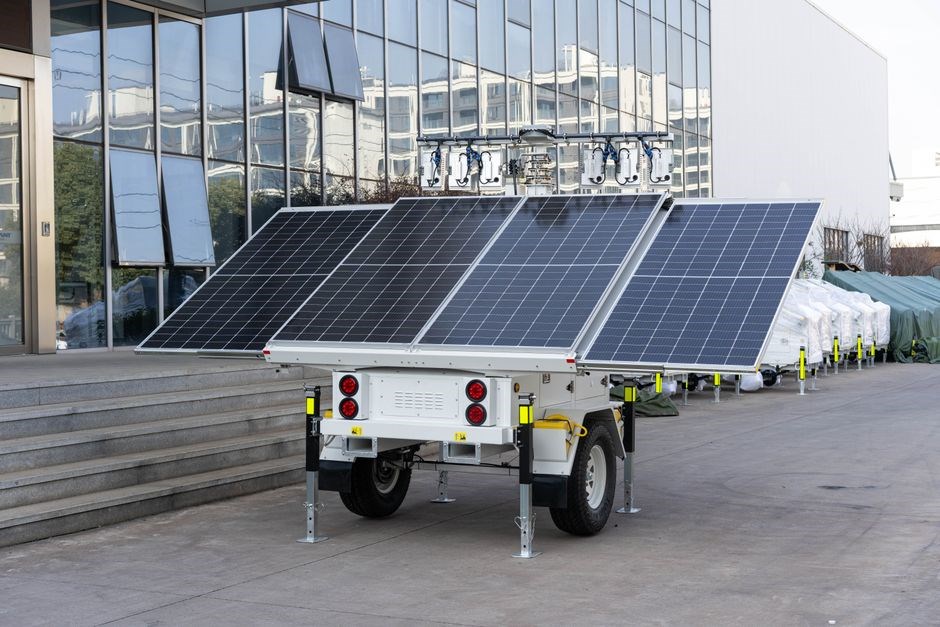
Routine checks: oil, filter, battery. Inspect spark plugs, clear air intake, verify fuel lines. If stalls, check fuel and filter, test spark continuity. For overheating, ensure ventilation and clean exhaust. Replace worn parts promptly. Perform these steps weekly to maintain reliability.safety
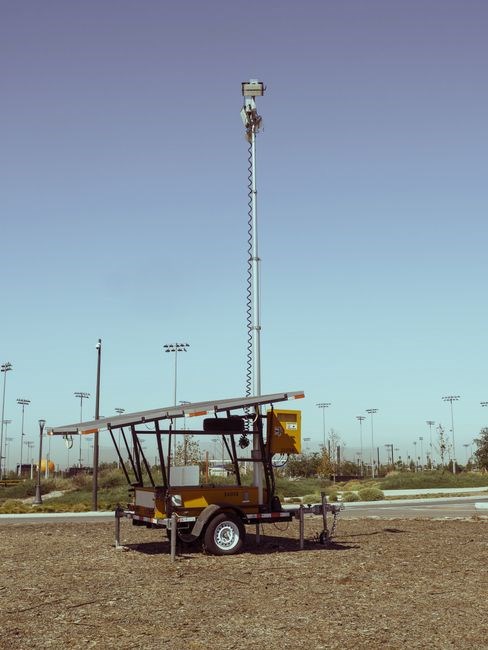
Routine Maintenance Schedule
To keep the Balor 6000 W generator operating at peak performance, follow this structured maintenance routine. Inspect the engine oil level and top up with the manufacturer‑specified SAE 10W‑30 every 50 hours of operation or at least once a month if the unit is used less frequently. Replace the oil filter each time you change oil. Check the air filter weekly; clean or replace it when it shows signs of clogging to maintain airflow and prevent engine fouling. Inspect the spark plug every 100 hours or after any misfire event; clean the electrode or replace the plug if the gap is out of spec. Verify the battery charge state monthly; clean terminals and apply anti‑corrosion spray. Inspect all fuel lines for leaks or cracks; replace any damaged sections immediately. Test the cooling fan operation at startup and during load; ensure the fan motor runs smoothly and the fan blades are free of debris. Verify the exhaust system is clear of obstructions and that the muffler is intact. Perform a load test every six months to confirm that the generator delivers rated 6 kW output and that the voltage regulator maintains stable 120/240 V output. Log all maintenance actions in a service log, noting dates, hours run, and parts replaced. Additionally, inspect the fuel filter every 200 hours or when fuel odor changes. Check the coolant level in the radiator and top up with distilled water if below the minimum mark. Inspect all fuses and replace any blown fuses. Verify the circuit breaker trips under overload. Perform a full system diagnostic every year. Before each start, visually inspect the grill for debris and wipe it clean. If the battery is lead‑acid, check electrolyte level and top up with distilled water to the fill line. Ensure all safety guards are in place and that the emergency stop is functional. Record any anomalies in the maintenance log for future reference. Schedule a professional service check every 12,000 hours or after major repairs to verify all components meet manufacturer specifications.
Common Faults and Remedies
When the Balor 6000 W generator exhibits intermittent start‑up, a likely culprit is a weak battery or corroded connections. Clean all terminal contacts, replace the battery if its voltage falls below 12 V under load, and ensure the alternator charging circuit is intact. A low‑voltage output often signals a faulty voltage regulator; check the regulator’s output with a multimeter and replace it if readings deviate from the 120/240 V specification. Over‑heat warnings or a sudden drop in runtime usually point to a clogged air filter or a blocked cooling fan; remove debris, clean or replace the filter, and verify fan operation. If the engine stalls under load, inspect the fuel filter for clogging and replace it; also check the fuel line for kinks or leaks. A whining noise during operation typically indicates a worn crankshaft bearing; disassemble the engine, inspect bearing surfaces, and replace any damaged components. A sudden surge in fuel consumption can be caused by a leaking fuel injector; inspect injector seals and replace faulty injectors. If the generator fails to maintain stable voltage during load, a blown fuse or a damaged circuit breaker may be the cause; replace the fuse or breaker and test the circuit again. Finally, if the unit does not start after a prolonged idle period, the glow plug may have failed; test the glow plug with a resistance meter and replace it if resistance exceeds the manufacturer’s range. Regularly logging these symptoms and their resolutions helps prevent recurrence and ensures reliable operation. Follow steps for reliability now.
Parts Replacement and Service
For the Balor 6000 W generator, OEM parts are mandatory to maintain warranty and performance. Replace the engine oil filter every 200 hours; use a 5W‑30 synthetic blend and torque the filter to 12 ft‑lb. Inspect the air filter monthly; swap it with a high‑flow HEPA‑grade filter when pressure falls below 70 % of rated value. The fuel filter, located under the rear panel, should be replaced every 400 hours or if a fuel odor appears; use a 0.5 µm filter rated for 5 bar. Test the alternator’s rectifier diodes with a multimeter; replace any diode exceeding 0.7 V. If the 12 V DC cooling fan motor fails to reach 3000 rpm, replace it with a fan rated for 120 V AC and a 12 V DC adapter. The sealed lead‑acid battery (12 V, 100 Ah) must be swapped when voltage drops below 10.5 V under load. Replace the glow plug (12 V, 30 W) after 500 hours of use or if ignition timing is lost. Swap the spark plug every 600 hours; use a 10 mm, 0.5 mm gap plug. Tighten mounting bolts to 25 ft‑lb to prevent vibration. Maintain a spare set of critical components in a cabinet to reduce downtime during field repairs. Schedule inspections to verify all connections and ensure the generator meets safety standards. After each replacement, perform a diagnostic test: verify voltage regulation, load bank response, and idle speed (800–1200 rpm). Log all part numbers, serials, and technician signature to ensure traceability and compliance with the 5‑year warranty All logs kept