Understanding Hazardous Materials for Fire Protection
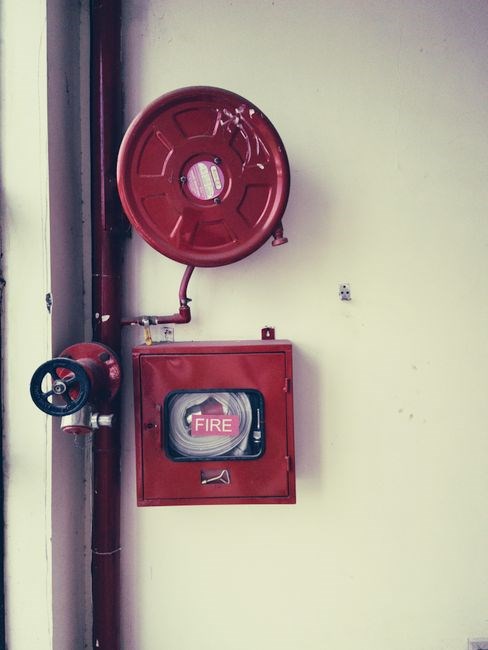
Hazardous materials pose unique fire risks. Understanding their chemical properties, ignition points, and potential for rapid spread is essential. Proper identification, classification, and risk assessment guide storage, handling, and suppression strategies, ensuring safety and regulatory complianceCompliance protects!

Safe Storage and Handling Practices

Implementing robust storage protocols is essential for hazardous material safety. Select dedicated, well‑ventilated rooms with fire‑resistant walls, and store flammable liquids in secondary containment that can hold at least 110 % of the primary container’s volume. Ensure containers are sealed with tamper‑evident caps, use corrosion‑resistant shelving, and keep stacks below the manufacturer’s recommended height. Maintain a temperature range of 15–35 °C (59–95 °F) to avoid vapor pressure spikes, and install automatic temperature monitoring with alarm thresholds. Separate incompatible substances—such as acids from bases, oxidizers from organics—by at least 10 ft, and place incompatible pairs in distinct rooms if possible. Label every container with hazard pictograms, NFPA 704 diamond codes, and handling instructions; update labels whenever the contents change. Provide adequate PPE—gloves, goggles, and flame‑resistant clothing—at all handling points, and train staff on proper donning and doffing procedures. Install leak‑detection sensors on storage tanks and piping, and connect them to a central alarm panel that triggers ventilation fans or suppression systems. Finally, conduct quarterly inspections to verify that containment integrity, labeling, and PPE compliance remain intact, and document all findings in a maintenance log for audit purposes.
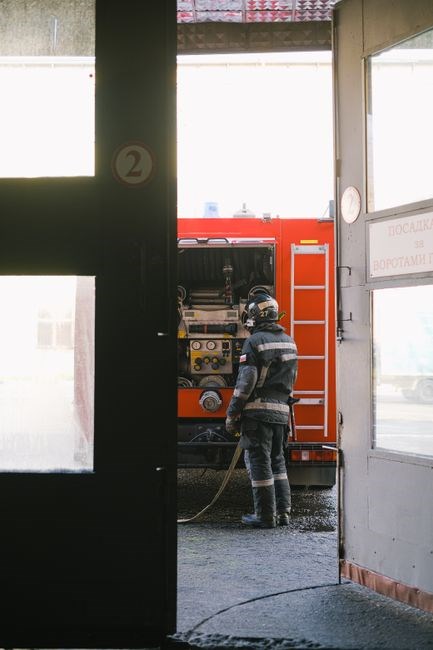
Regular audits verify adherence, and document findings. All personnel must complete annual safety training and maintain certifications. A comprehensive incident log supports continuous improvement and regulatory compliance.
Fire Suppression Systems and Emergency Response
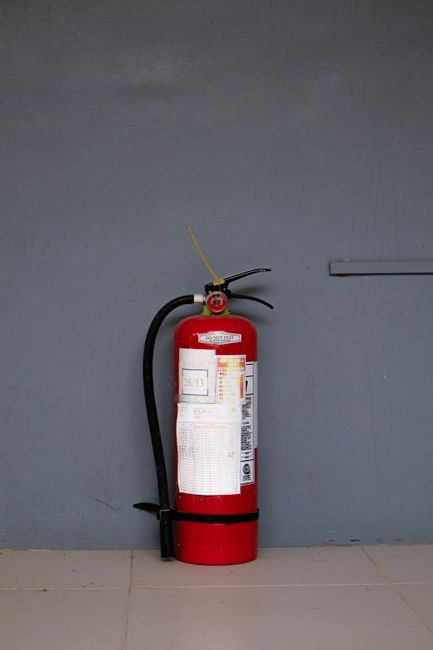
Deploy foam, CO₂, or dry chemical systems for hazardous materials. Ensure proper coverage, pressure, and discharge angles. Train staff in extinguishing, use PPE. Coordinate with fire services, maintain incident command protocols, and update SOPs annually!!!!!!
Classification of Hazardous Materials According to NFPA 704
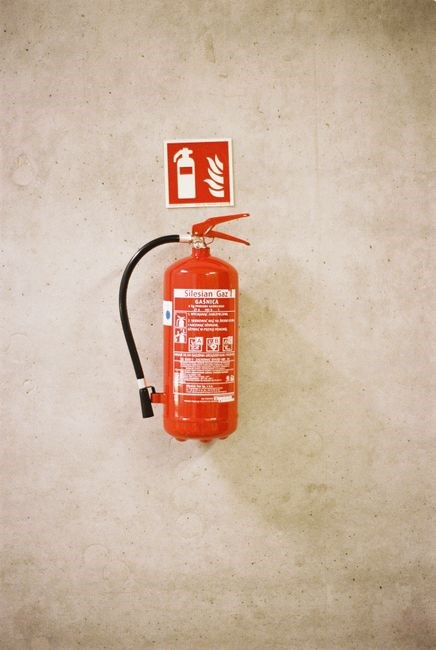
The NFPA 704 “4‑Color Code” system assigns numeric values (0–4) to three hazard categories—Health, Flammability, and Reactivity—displayed on a diamond‑shaped placard. Health values indicate acute toxicity or long‑term health effects; 0 means negligible, 4 denotes extreme danger. Flammability ratings reflect the material’s ignition characteristics: 0 indicates no fire risk, 4 signifies an extremely flammable substance that can ignite readily at ambient temperatures. Reactivity scores assess chemical stability; 0 means stable, 4 denotes materials that can explode or react violently with water or other chemicals. A fourth color, blue, represents special hazards such as radioactivity or corrosiveness, and is marked separately. By consulting the NFPA 704 chart, facilities can quickly identify the relative risks of stored substances, prioritize emergency response actions, and ensure that suppression equipment matches the specific hazard profile. Accurate placarding also facilitates regulatory compliance, aids first responders during incidents, and supports risk‑based decision‑making for facility design and operation. The system was developed in the 1940s to provide a rapid, visual hazard assessment for emergency personnel, and has since evolved to include additional qualifiers for corrosive and radioactive materials. When interpreting placards, responders consider the highest numeric value in each category, as it represents the most severe risk. For example, a substance rated 4 in Flammability and 2 in Health requires a fire suppression system capable of handling intense flames while also protecting personnel from moderate toxicity. The NFPA 704 chart is widely adopted across industries, from chemical plants to hospitals, and is integrated into safety data sheets, training programs, and incident response protocols. Compliance with NFPA 704 is often mandated by local fire codes, OSHA, and the EPA, ensuring that hazardous materials are consistently identified and managed across the supply chain. In practice, facilities keep an updated inventory of placard data, cross‑referencing it with safety sheets to verify accuracy. Training emphasizes interpreting the diamond’s colors under low‑light conditions, ensuring responders can quickly assess hazards and deploy appropriate suppression measures prompt.
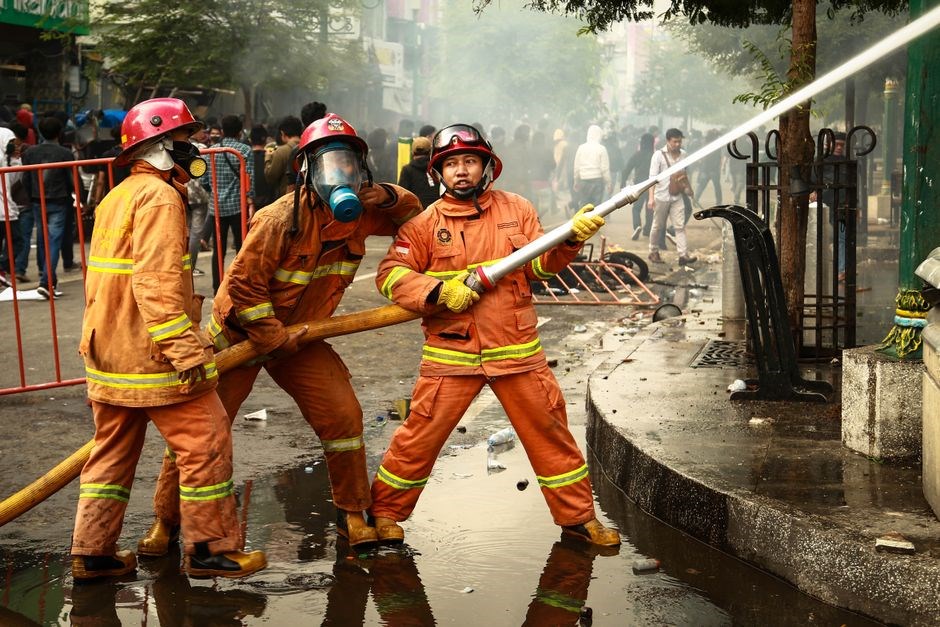
Common Hazardous Material Categories (Flammable Liquids, Gases, etc.)
Flammable liquids, such as gasoline, ethanol, and acetone, are defined by flash points below 100 °F and are prone to rapid vapor ignition. Gases—hydrogen, propane, and methane—can form explosive mixtures with air at concentrations as low as 4 % for hydrogen. Oxidizers like hydrogen peroxide and nitric acid accelerate combustion and must be stored separately from organics. Corrosives, including sulfuric acid and caustic alkali, damage materials and can release toxic fumes. Radioactive substances, ranging from medical isotopes to industrial sources, pose health hazards through ionizing radiation. Pesticides and herbicides often contain a blend of organics and corrosives, demanding careful segregation. Each category requires distinct fire suppression tactics, ventilation strategies, and personal protective equipment. Understanding these classifications enables facilities to design appropriate containment, select suitable extinguishing agents, and train personnel for rapid, effective response!!! Storage facilities must also consider the potential for vapor cloud explosions, especially when handling large volumes of flammable liquids or gases!!! Proper venting, temperature monitoring, and the use of inert gas blanketing can mitigate these risks, ensuring that hazardous material inventories remain within safe limits. In addition, emergency response plans should incorporate training for handling chemical spills, including absorbent pads and containment booms!!! Regular drills and equipment checks keep staff ready respond swiftly hazardous incidents!!!
Regulatory Frameworks (OSHA, EPA, NFPA)
In the United States, the Occupational Safety and Health Administration (OSHA) mandates the Hazard Communication Standard (HCS), requiring employers to classify chemicals, provide Safety Data Sheets (SDS), and ensure employee training. The Environmental Protection Agency (EPA) enforces the Toxic Substances Control Act (TSCA), regulating the introduction of new chemicals and requiring risk assessments for existing substances. The National Fire Protection Association (NFPA) publishes a suite of codes—NFPA 704 for hazard rating, NFPA 30 for flammable and combustible liquids, NFPA 10 for portable extinguishers, and NFPA 25 for water‑based fire protection system inspection. Compliance with these frameworks ensures that hazardous materials are properly labeled, stored, and monitored, and that fire suppression systems meet performance criteria. Together, OSHA, EPA, and NFPA create a layered regulatory environment that protects workers, the public, and the environment from chemical fire hazards. Failure to adhere can result in penalties, increased insurance costs, and, most critically, unsafe workplace conditions. Regular audits, updated SDS, and adherence to NFPA design standards are essential for maintaining compliance and safeguarding assets and lives.
Additionally, the EPA’s Hazardous Air Pollutants program imposes strict VOC limits, requiring vapor recovery units and monitoring. OSHA’s 29 CFR 1910.1200 mandates hazard assessments and emergency plans for stored chemicals. NFPA 30’s separation distances, based on A1, A2, and A3 categories, keep incompatible materials safe. Regular training on handling, spill response, and PPE reinforces compliance. Documentation, including logs and inspection reports, must be kept for at least five years to satisfy audits. Aligning these frameworks creates a robust safety culture that minimizes fire risk and protects people and property. Compliance is essential!!! !!!
Proper Segregation of Compatible and Incompatible Materials
Effective segregation hinges on understanding the chemical properties that dictate compatibility. The NFPA 704 “fire diamond” provides a quick visual cue: the red number (reactivity) and blue number (health hazard) help identify substances that could react violently or produce toxic gases when combined. OSHA’s Hazard Communication Standard mandates that compatible chemicals be stored together, while incompatible ones—such as strong oxidizers with organics or acids with bases—must be separated by a minimum distance defined in NFPA 30. The International Fire Code also requires that storage areas be divided into distinct compartments, each with its own fire suppression system, to prevent a localized incident from escalating.
In practice, segregation begins with a comprehensive inventory. Each item’s SDS should be reviewed for incompatibility warnings; Items are then grouped into categories: flammable liquids, oxidizers, acids, bases, and reactive metals. Within each category, sub‑grouping by flash point, pH, or reactivity rating further refines placement. For example, a Class B flammable liquid with a flash point below 100 °F should be stored separately from a Class C oxidizer, even if both are flammable. Similarly, a strong base such as sodium hydroxide must be kept away from acids like hydrochloric acid to avoid exothermic neutralization reactions.
Physical separation is reinforced by barriers—fire‑resistant walls, bulkhead doors, and inert gas blankets—especially in high‑volume storage. The NFPA 30 separation distances vary: for A1 materials (highly hazardous) the distance is 10 ft, for A2 materials 5 ft, and for A3 materials 3 ft. These distances must be maintained even when storage racks or pallets are used. In addition, labeling and signage must reflect the segregation plan; each compartment should display its hazard class and the required PPE for entry.
Regular audits are essential. A quarterly review of the segregation matrix, coupled with spot checks of storage locations, ensures that new acquisitions do not violate established rules. Any deviation—such as a misplaced container—should trigger an immediate corrective action, including re‑labeling, relocation, or, if necessary, removal from the facility. By rigorously applying these segregation principles, facilities can dramatically reduce the likelihood of a chemical fire and limit potential damage to personnel, equipment, and the environment. Safety first.
Ventilation and temperature control are vital for hazardous material storage. NFPA 70E and NFPA 30 require a minimum air‑exchange rate based on liquid volume. Exhaust fans, supply ducts, and forced‑air systems keep vapor below the lower explosive limit (LEL). Equipment, pumps, compressors, and electrical panels must be installed with adequate clearance to avoid temperature spikes that could lower flash points. Temperature sensors and data loggers placed at points—near the ceiling, base of racks, and center of the room—provide real‑time monitoring. If temperatures exceed limits, alarms trigger. Active cooling—air‑conditioning units or chilled‑water loops—integrate with ventilation. Seasonal drafts can cause condensation on flammable containers, leading to corrosion and leaks. Maintenance schedules for fans, filters, and temperature control units must be documented and performed regularly to ensure compliance with NFPA and OSHA. A well‑designed ventilation and temperature control strategy protects personnel, extends material life, and reduces fire risk. Ventilation must be designed to meet the specific heat load of the facility, with fans sized to achieve the required air changes per hour, and filters rated for the contaminant load. Temperature control includes HVAC units, heat exchangers, and, where necessary, chilled‑water loops to keep storage temperatures within the material’s safe range. Leak detection systems, such as vapor monitors and pressure sensors, should be integrated with the ventilation system to provide early warning of hazardous releases. Regular maintenance of ventilation components, including cleaning of ducts and replacement of filters, is essential to preserve system performance and prevent fouling that could reduce airflow. Compliance with NFPA 90A for HVAC and NFPA 90B for fire protection of HVAC systems ensures that ventilation does not compromise fire safety.
Container Integrity and Leak Detection Systems
Compliance with NFPA 30’s containment rules, coupled with regular leak‑testing, ensures early detection before vapor levels become hazardous. Installing secondary berms at least 10 % larger than the primary container volume mitigates risk. Leak‑detection devices link to a central alarm panel that triggers suppression. Maintenance logs should be reviewed quarterly to verify system integrity.
PPE Requirements for Handling Hazardous Materials
When workers handle hazardous materials, the selection of personal protective equipment (PPE) must align with the specific chemical hazard, exposure route, and operational conditions. NFPA 45 and OSHA 29 CFR 1910.120 mandate that employers assess the hazard classification—flammable, corrosive, toxic, or reactive—and then specify PPE that offers chemical resistance, thermal protection, and physical safety. Typical PPE ensembles include flame‑resistant coveralls, chemical‑resistant gloves (e.g., neoprene, nitrile, or butyl), safety goggles or full‑face shields, and, where airborne contaminants are present, respirators ranging from half‑mask cartridges to powered air‑purifying respirators (PAPRS). For high‑temperature processes, heat‑resistant gloves and face protection are required. Hearing protection is essential when operating high‑decibel equipment. Footwear must be puncture‑resistant and chemically compatible. Employers must provide routine inspection, cleaning, and replacement schedules, and maintain a log of PPE condition. Training on proper donning, doffing, and emergency removal procedures is mandatory. Documentation of PPE compliance should be retained for audit and incident investigation purposes. Employers should also implement a comprehensive incident reporting system that captures real‑time data on exposure incidents, near‑miss events, and equipment failures, enabling continuous improvement of PPE protocols and fostering a safety culture that prioritizes proactive risk mitigation and compliance for all
Labeling, Signage, and Documentation Standards
Effective labeling, signage, and documentation are the backbone of hazardous‑material safety. The NFPA 704 “fire diamond” system provides a quick visual cue of health, flammability, reactivity, and special hazards. OSHA’s Hazard Communication Standard (HCS) requires every container to carry a permanent label that lists the chemical name, hazard class, and precautionary statements. In addition, a Safety Data Sheet (SDS) must be available in both printed and electronic form, detailing physical properties, exposure limits, first‑aid measures, and spill‑control procedures. Signage in storage areas must include emergency exit routes, fire extinguisher locations, and evacuation maps. For flammable zones, NFPA 30 mandates the use of “flammable” and “flammable liquid” signs, while OSHA’s 29 CFR 1910.120 requires “hazardous material” placards on pallets and forklifts. Documentation standards extend to a master inventory list that tracks quantity, location, and expiration dates, updated daily. Incident logs must record any spills, exposures, or equipment failures, and be reviewed monthly to identify trends. Compliance with ISO 14001 and ISO 45001 further reinforces systematic record‑keeping and continuous improvement. Proper labeling, clear signage, and meticulous documentation collectively reduce risk, facilitate emergency response, and ensure regulatory adherence.
Regular audits verify label accuracy, while digital asset management systems log every change. Training sessions reinforce correct placement, and incident debriefs capture lessons learned. Compliance officers review documentation quarterly, ensuring alignment with evolving regulations. This rigorous approach safeguards personnel, protects assets and maintains confidence in safety protocols.
Automatic Fire Suppression Systems (Foam, CO2, Dry Chemical)
The design of these systems must consider the specific hazard classification, storage volume, and environmental conditions. Foam systems require surfactant concentration and generator type to ensure effectiveness. CO₂ units need venting calculations to avoid over‑pressurization, while dry chemical systems must be selected based on particle size and flow rate for adequate coverage. Maintenance protocols include periodic pressure testing, inspection of discharge nozzles, and verification of sensor functionality. Training for personnel on system operation and emergency procedures is essential to maximize respon and minimize damage. Compliance with NFPA 2001, NFPA 750, and local codes ensures system integrity and legal accountability.
Moreover, the integration of smart monitoring systems can provide alerts quickly now today soon!! on temperature spikes, pressure changes, and potential leaks, allowing containment before a fire ignites. These now systems often interface with building management software, triggering alarms, shutting down ventilation, and isolating affectedzones. When deploying manual extinguishing, the choice of extinguisher type must consider the fire’s ABC classification, the potential for flash‑over, and the presence of hazardous vapors. Operators should also be trained in the use of portable fire suppression units, such as CO₂ canisters, which are effective for equipment but unsuitable for flammable liquids.
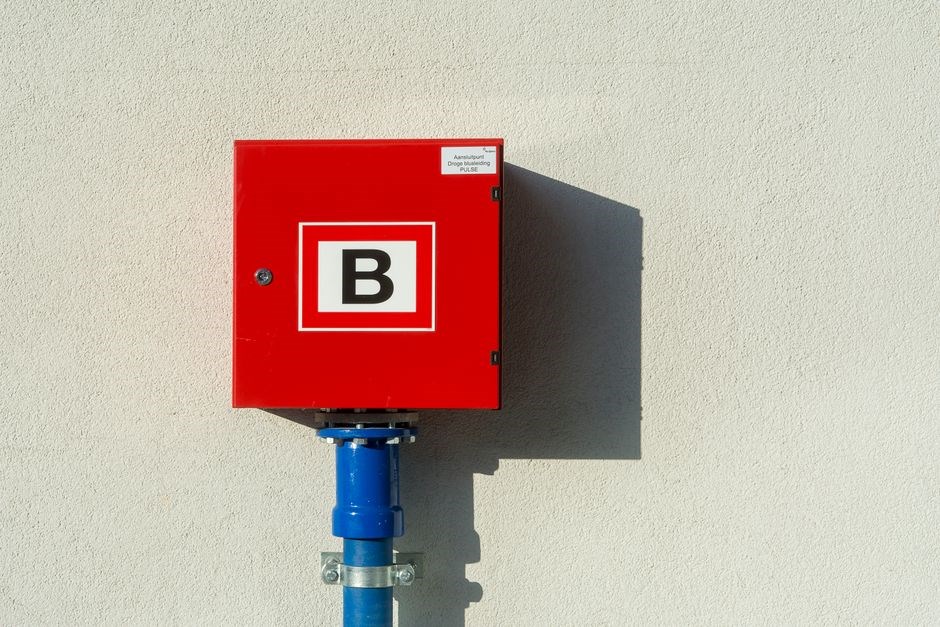
When a hazardous material incident occurs, the incident command system must coordinate with local fire services, ensuring that all responders are aware of material hazards and that evacuation routes remain clear. Documentation of each incident, including response times, suppression effectiveness, and any injuries, feeds into a continuous improvement loop that refines training, updates standard operating procedures, and ultimately reduces the risk of catastrophic loss.
Emergency Evacuation Planning and Drills
Effective evacuation plans for hazardous material facilities must integrate hazard‑specific routes, assembly points, and communication protocols. Begin by mapping all egress paths, ensuring they remain clear of chemical spills and that fire doors remain operable. Designate multiple assembly zones that are outside the potential blast radius of stored materials. Conduct regular drills that simulate various incident scenarios, including flammable liquid spills, gas releases, and toxic vapor dispersal. During drills, verify that all personnel don appropriate PPE before entering hazardous zones, and that emergency responders are briefed on material classifications and containment strategies. Use real‑time monitoring to track evacuation progress, and debrief after each drill to identify bottlenecks, communication gaps, and training needs. Incorporate emergency lighting, audible alarms, and clear signage that meets NFPA 101 and local code requirements. Ensure that all employees, contractors, and visitors receive mandatory training on evacuation routes and safe assembly points. Maintain a log of drill dates, participants, and corrective actions, and review it quarterly to ensure continuous improvement and compliance with OSHA and NFPA standards.
Coordinate with local fire departments to conduct joint evacuation exercises, ensuring that external responders understand the facility’s hazardous layout and can assist in rapid deployment of fire suppression equipment. Establish a clear chain of command, with a designated evacuation coordinator responsible for issuing the “all clear” signal only after confirming that all personnel have reached safe zones. Use color‑coded signage and illuminated exit signs to guide occupants during power outages. Implement a buddy system for employees working in high‑risk areas, ensuring that no one is left unattended. Schedule drills at varying times of day to account for different staffing levels and shift patterns. Record video footage of evacuation flows to analyze movement patterns and identify potential choke points. Update training materials annually, incorporating lessons learned from real incidents. Maintain a comprehensive evacuation manual that is readily accessible in both digital and hard‑copy formats. Conduct refresher training annually to keep staff updated on new hazards.
Incident Command and Coordination with Fire Services
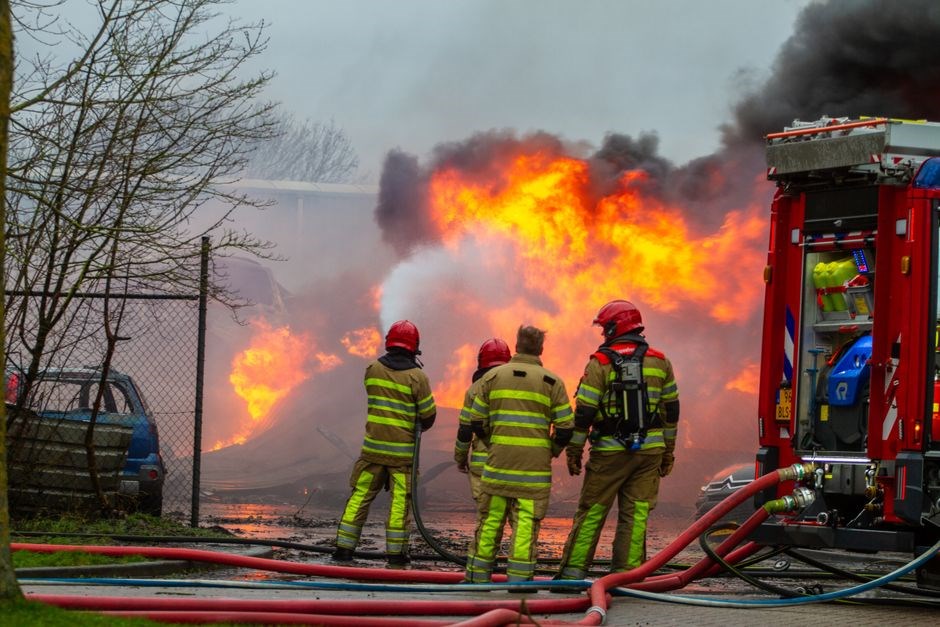
When a hazardous material incident occurs, establishing an Incident Command System (ICS) is critical; The facility’s designated Incident Commander must immediately notify local fire departments, providing precise location, material types, and potential hazards. A pre‑established liaison protocol ensures rapid information exchange, allowing responders to prepare specialized equipment such as foam, CO₂, or dry chemical agents. The Incident Commander coordinates with the fire service’s Incident Commander to align objectives, delineate responsibilities, and avoid duplication of effort. All communication should follow the Common Language of Incident Management, using standardized terminology for material classes, containment status, and fire behavior. The facility’s Emergency Operations Center (EOC) should maintain a real‑time incident log, updating status changes, resource deployment, and containment progress. Fire services rely on this log to assess risk and decide whether to deploy additional units. Coordination extends to hazardous material specialists who advise on decontamination, ventilation, and safe removal of materials. Joint training exercises, conducted annually, reinforce procedural familiarity and test communication channels. Documentation of each incident, including after‑action reports, feeds back into continuous improvement, ensuring lessons learned are incorporated into updated protocols, training, and equipment procurement. Maintaining a clear chain of command, documented contact lists, and a shared situational awareness platform are cornerstones of successful incident command and coordination with fire services. The Incident Command Post (ICP) should be located within a zone close enough to the incident to enable quick response, with all staff wearing PPE and having immediate access to the hazardous material database and the Data Sheets for each stored substance, ensuring responders act safely.
Effective incident command hinges on clear authority, defined roles, and seamless communication. The Incident Commander establishes objectives, allocates resources, and monitors progress through a unified command center. All responders use a common radio frequency and a standardized incident command structure, such as the Incident Command System (ICS), to reduce confusion. Coordination with the local fire department, hazardous materials team, and emergency medical services ensures that each agency’s capabilities are leveraged efficiently. The Incident Commander maintains an incident log, documenting actions, resource status, and environmental conditions. This log is shared with the fire service’s Incident Commander, allowing them to assess risk and deploy specialized units, such as foam or CO₂ suppression systems, as needed. Regular briefings keep all personnel informed of evolving conditions, potential hazards, and safety protocols. The Incident Commander also ensures that all personnel are equipped with the appropriate protective equipment (PPE) and that they have immediate access to the hazardous material database and the Material Safety Data Sheets for each stored substance. In addition, the Incident Commander coordinates with the emergency medical services to secure a safe evacuation route for casualties and to provide medical support on scene. After the incident, a joint debriefing is conducted to evaluate performance, identify gaps, and update standard operating procedures. Continuous training, simulation drills, and real‑time communication drills keep the Incident Command team sharp and ready for any scenario.